Camp UX: The Unconference

Designing a space where a 72-person distributed UX org could finally talk to itself.

Executive Brief

72 participants
15-18 submissions
10-12 sessions
2 years running

Mandate & Constraints

When my leadership at Paychex wanted a Spring counterpart to the established Fall UX Summit, the ask was deliberately informal. The Summit had structure. This needed something different — a space where a team of ~72 designers, content designers, and researchers spread across the globe could share what they were genuinely excited about, not just what leadership had decided was important. Because I had spent nearly two decades organizing programming at Dragon Con, I volunteered to build it.
Decision Framework

The team owns the agenda.
Top-down programming produces top-down thinking. If the goal was organic knowledge sharing and genuine connection, the content had to come from the team itself, not from a committee.
Voting creates investment.
When people choose what gets on the schedule, they show up differently. The ProductCamp pitch-and-vote model turns passive attendees into active participants before the event even starts.
Distributed means intentional.
With a worldwide team on Webex, timezone awareness, concurrent session recording, and low-friction participation weren't nice-to-haves. They were the whole design problem.

Plays I Ran

Opened submissions two months out
A simple form collected session title, topic, format, and any technical needs. Low barrier to entry on purpose — the goal was to surface what people actually wanted to share, not just what they felt confident enough to formalize.
Peer voting three weeks before the event
The full submission list went back to the entire team, including submitters. Everyone voted. This created anticipation, gave people ownership over the schedule, and surfaced genuine interest rather than assumed interest.
Built the schedule with timezone intent
With a global team, session sequencing wasn't just logistics. I mapped submissions against timezone distribution and built a schedule that gave every region at least one high-interest session at a reasonable hour.
Cross-pollinated similar submissions
When two people submitted overlapping topics, I reached out and asked if they'd present together. On a team that large and distributed, people who had never worked together found out they were thinking about the same problems. That was one of the best outcomes of the format.
Ran concurrent rooms with full recording
Multiple managers moderated rooms on the day. Everything was recorded. If you were in one session, you didn't miss another permanently. This was critical for a distributed team and removed the anxiety of choosing between sessions.

Outcomes & Signals

  • 72 UX team members participated along with significant cross-functional attendance from Product
  • 15-18 submissions per cycle produced 10-12 sessions, a healthy ratio that created real selection pressure and kept quality high
  • Team members consistently reported learning something new both within UX and about coworkers they had never worked directly with
  • Cross-disciplinary collaboration increased as designers, content designers, and researchers from different product areas discovered shared interests and overlapping problems
  • Multiple attendees pursued further learning in topics they were first exposed to at Camp UX
  • Became a standing annual event; still running today at Paychex

Evidence

Camp_UX_-_Spring_2022
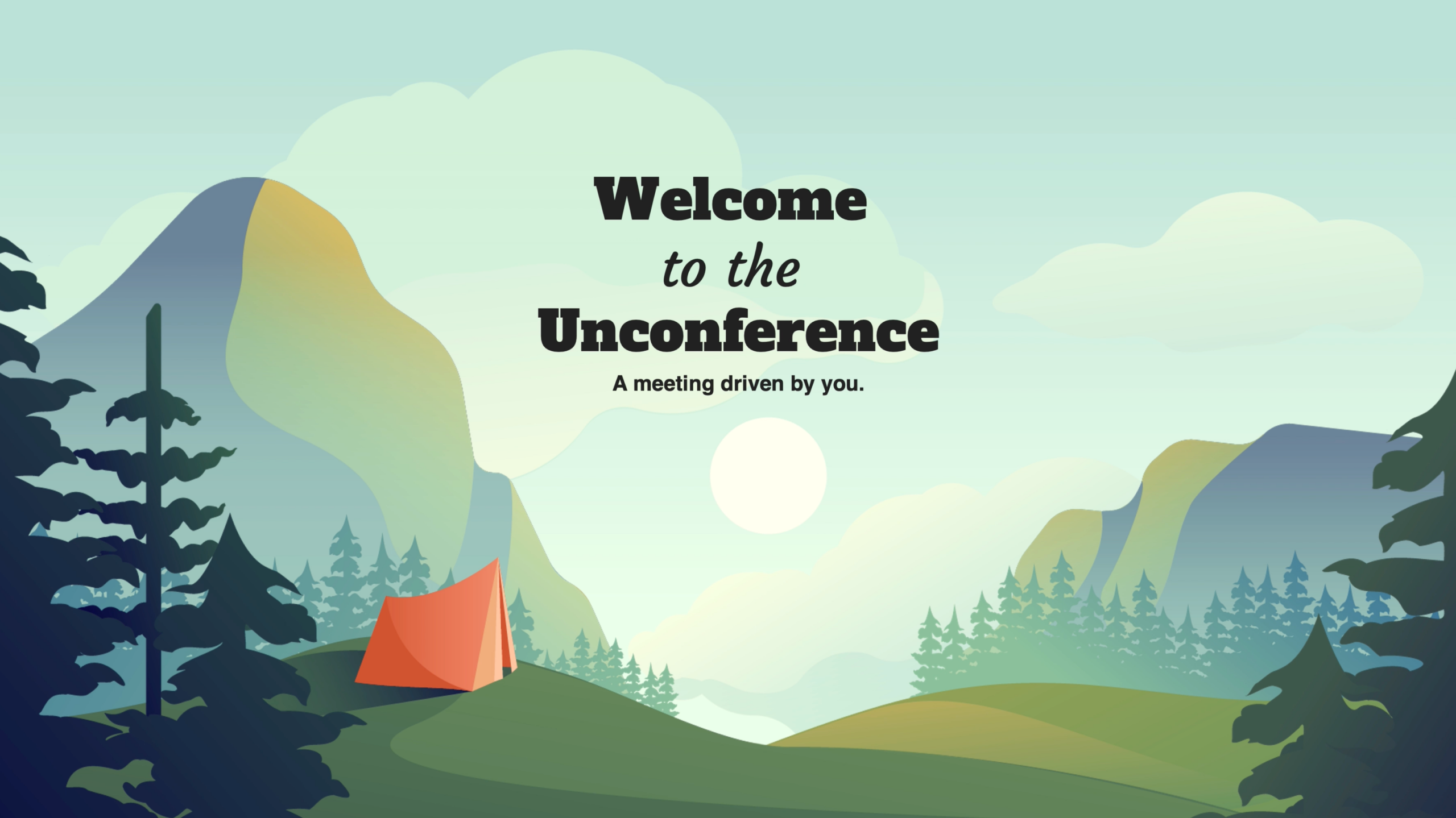
Camp_UX_-_Spring_2022_Unconference
campux_logo

What I'd Do Next

  • A lightweight async pre-event community board where submitters could start conversations before the day itself
  • Structured post-event pairing between people who discovered shared interests during sessions

See More Work

Browse the case study list or read about how I lead